Blogs
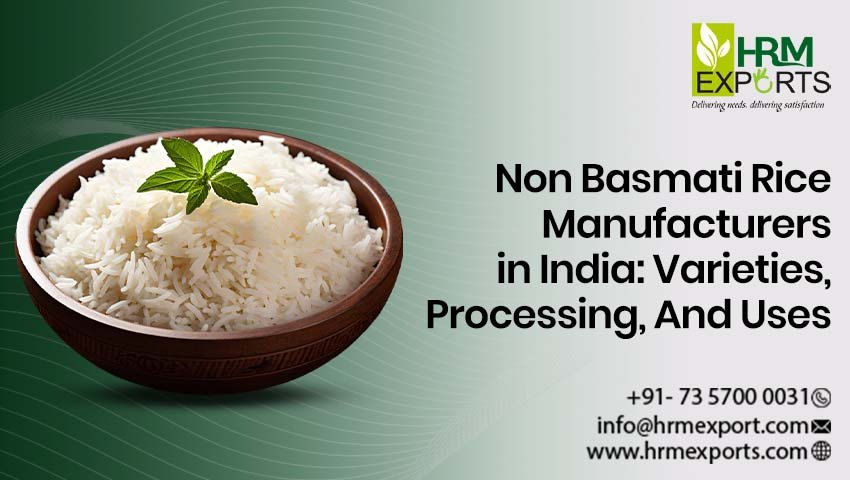
Non Basmati Rice Manufacturers in India: Varieties, Processing, And Uses
Non Basmati Rice Manufacturers in India: In 2025, India was able to produce more than 130 million tonnes of rice where non basmati varieties comprised the biggest portion of overall production. This segment relies on the buyers in Asia, Africa and Middle East who require the segment in terms of volume, price reasons and consumption on a daily basis.
The blog will describe the functioning of Non Basmati Rice Manufacturers in India, the types of rice that they produce, the process of processing of rice, and the places of usage of each type of rice. The evidence here would be the supply trends in the industry, export trends and style of milling that is practiced in various major rice belts. You will also find obvious usage cases and steps of processing.
What are the Non Basmati Rice producers in India?
The Non Basmati Rice Manufacturers in India handle the rice varieties that lack aroma concentration and extra-long grain characteristics. Such manufacturers receive paddy produced in various areas, refine it in standardized mills and then provide mass consumption of rice.
Key traits of this segment:
• Medium to short grain focus.
• High yield farming support.
• Constant seasonal prices.
• Good demand in both the government and the commercial supply chains.
This category helps in the feeding of households, institutional kitchens, and large export dealings.
Major Non Basmati Rice Characteristics
Non basmati rice is used to support daily meals, food service operations and programs by the government to supply.
Core features include:
• Short medium grain structure.
• Neutral aroma.
• Soft firm texture post cooking.
• Some varieties contain high starch.
• Good shelf life when storing in the large quantities.
Manufacturers following Stages of processing
The Non Basmati Rice Manufacturers in India have a system of milling that ensures maintainance of quality of grain and food safety.
Primary processing consists of the following processing steps:
Pre-cleaning
• Dusting and clearing of stones, dust and foreign material.
• Protects milling equipment.
De-husking
• The processes of husk and paddy separation.
• Maintains grain integrity.
Paddy Separation
• Removes un-husked grains.
• Improves uniform output.
Whitening and Polishing
• Controls surface bran removal.
• Enhances appearance and texture.
Sorting and Grading
• Color sorting and the length based sorting.
• Eliminates discoloured and the fractured grains.
Weighing and Packaging
• Bulk and retail packing.
• Helps in the supply within the country and abroad.
Quality Testing Practices
Non Basmati Rice Manufacturers in India keep the focus on quality control.
Common checks include:
• Moisture content testing.
• Broken grain percentage.
• Chalkiness assessment.
• Foreign matter inspection.
• Pesticide residue analysis.
Such inspections assist in fulfilling food authority regulations and specifications of buyers.
Non Basmati Rice Usage in Industries
Non basmati rice is widely applicable because it is versatile and economical.
Household Consumption
• Daily steamed rice.
• Food meals based on rice in different regions.
Food Service and Catering
• Hotels.
• Institutional kitchens.
• Event catering.
Processed Food Industry
• Rice flour.
• Ready-to-eat meals.
• Snacks and breakfast products.
Government Supply Programs
• Public distribution systems.
• Welfare meal schemes.
Why Indian companies are the source of Global Buyers?
The Indian manufacturers of Non Basmati Rice enjoy the advantages of scale, the level of farming, and control of the process.
Chief factors why buyers love India.
• Large production capacity.
• Uniform supply throughout the year.
• Multiple variety options.
• Competitive pricing.
• Good export facilities.
Sustainability and Responsibility
Numerous Non Basmati Rice Manufacturers in India have invested in water recycling, energy saving milling, and alliances with farmers. These are practices that favour stability in supply and development of the community.
Final Thoughts
The demand of non basmati rice is still on the increase because of the population growth, food security programs and world trade. HRM Exports is one of the companies that are central to addressing this demand by cooperating closely with farmers, food partners, and international buyers. HRM Exports provides quality rice all over the world supported by the quality control and certified facilities under the ISO 9001:2008 and in-house laboratories. The company has a dedicated team and good market understanding which enhances the increasing presence of the basmati and Non Basmati Rice Manufacturers in India.
FAQs
Ageing is not mandatory. Other buyers want fresh rice, whereas some will request some ageing to give the rice a better texture.
Sorting eliminates discolored and broken grains as well as uneven grains. This measure enhances appearance, uniformity of cooking and acceptance by purchasers.
Yes. Non basmati rice is used in many hotels and catering units because of a cost factor, quantity supply, and consistent cooking pattern.
The majority of customers would like the amount of moisture ranging between 12 and 14 percent. This range helps in lowering spoilage as well as extending shelf life.
02 Sep, 2026
How a 1969 Rice Mill Went G ...
Latest Posts