Blogs
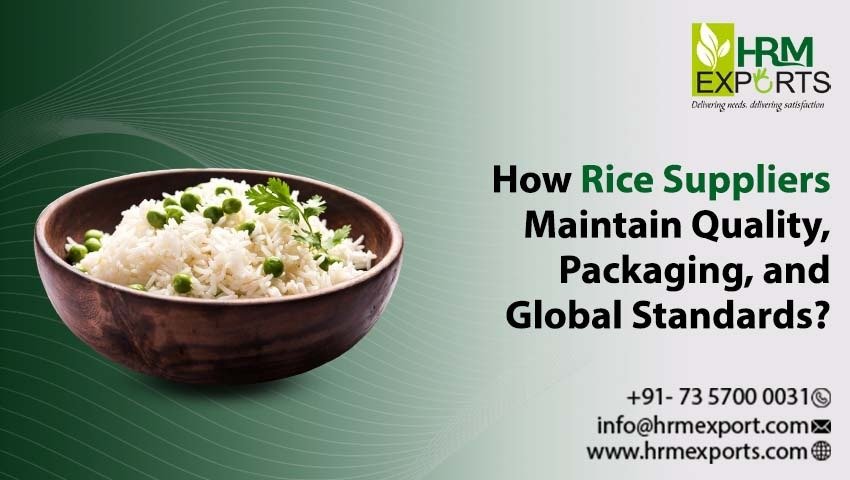
How Rice Suppliers Maintain Quality, Packaging, and Global Standards?
India is one of the top manufacturer and exporter of rice all over the world. Indian rice in the form of basmati to non-basmati is demanded in the international market due to its taste, smell and cooking quality. Though, it is not an easy task to keep the consistency in quality to the buyers globally.
Whether in the sourcing of quality paddy or a proper packaging and export standards, the consistent suppliers observe a number of practices that help in sustaining the quality of the rice. This blog will learn about the way Rice Suppliers from India uphold quality, packaging and global standards.
Importance of Quality in the Rice Export Industry
One of the most significant aspects of the rice trade in the world is quality. International buyers demand rice with long grain size, with a pleasant aroma and appropriate level of moisture.
Steps they follow to ensure it:
1. Careful Selection of Paddy
Quality starts at the first farming stage. Most of the suppliers strive to have close relations with the experienced farmers who cultivate rice through the right application of agriculture techniques.
This ensures:
• Good grains and crops that is healthy.
• Rice also has a better aroma and texture.
• Uninterrupted grain quality in milling.
Rice Suppliers can purchase paddy from reliable farms to ensure it does not compromise on the quality that is demanded by the international buyers.
2. Appropriate Processing and Milling
Rice passes through a number of processing steps which include cleaning, husking, polishing and also grading after harvesting. The contemporary milling facilities assist in eliminating the impurities without damaging the natural content of the grains.
Well controlled processing provides that:
• Broken grains are reduced
• Rice is clean and homogenous.
• Its end product is exportable.
The suppliers of rice should abide by quality checks in the course of processing and storage.
Having Hygiene and Food Safety Standards
1. Quality Inspection and testing
The common factors of inspections are:
• Grain length and appearance.
• Moisture level in rice.
• Purity and cleanliness.
Making frequent checks is part of the measures taken by Rice Suppliers from India guarantee the safety of their rice in terms of its quality and food safety standards.
2. Premise-controlled storage facility
The storage facility is preserved the right temperature, humidity and hygiene requirements to ensure that the quality of the rice is preserved.
• Favorable storing conditions prevent moisture, pests and contamination of rice.
• Regulated storage means that rice will not lose its freshness and quality until the time it is delivered to the consumers.
Packaging and the preservation of Rice
Another significant issue in the rice export business is packaging. Rice is usually packed in hardy bags to guarantee that it is not damaged or affected by eco-friendly factors during transportation.
Typical features of packaging are:
• Moisture-resistant materials.
• Good stitching when carrying heavy loads.
• Moisture-resistant materials.
• Powerful tailoring of bulky items.
• Safe sealing in order to avoid contamination.
These are the ways of packaging that Rice dealers uses to deliver rice to the foreign markets safely.
The reason why Global Buyers have confidence in Indian Rice Suppliers
The quality and variety of Indian rice has gained the Indian rice a good image in the foreign markets. Indian rice satisfies the demands of a lot of international consumers with its long grains and aroma basmati rice to other types of rice that are used in the daily cooking process.
The reasons as to why buyers prefer Indian suppliers are some of them:
• Wide variety of rice options.
• Competitive pricing.
• Regular quality with large orders.
With these strengths, Rice Traders have managed to increase their activities in the world food markets.
Final Thoughts
To ensure quality in rice export industry, it should be taken care of at all levels which include the selection of paddy to use and at processing, packaging and by adherence to the international standards.
Companies such as HRM Exports specialize in producing rice that can satisfy the international demands through good quality control and professional export standards. Through these efforts, the businesses around the world still prefer the superiority rice due to consistent Rice Suppliers from India.
FAQs
It preserves rice against moisture, damage and contamination.
Yes, good suppliers have quality and export laws.
Various techniques used by suppliers are proper sourcing, modern refining and quality orders.
Since Indian rice has a status of being of good quality, aromatic and varied.
06 Oct, 2026
Build Better Supply with 11 ...
Latest Posts