Blogs
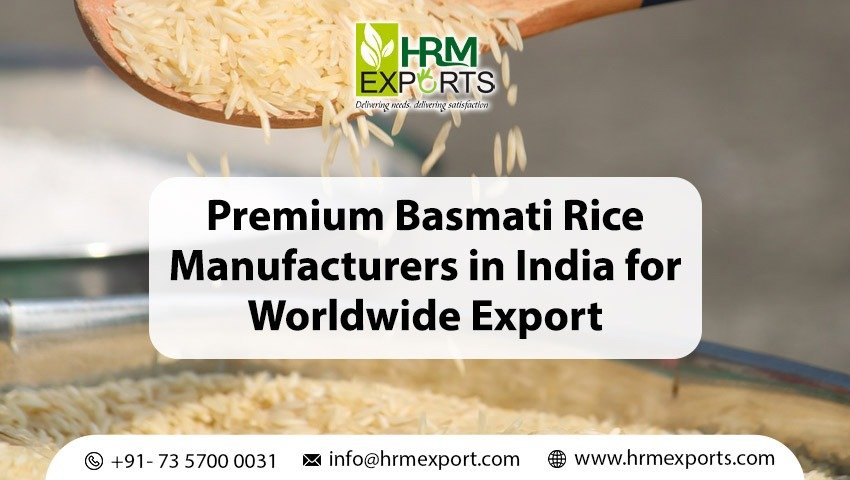
Premium Basmati Rice Manufacturers in India for Worldwide Export
Basmati rice is not just a food item, it's a representation
of culinary elegance and aromatic perfection that has been the cornerstone of
Indian heritage for centuries. This blog will delve into the key features of
Indian Basmati, the stringent standards set by top Basmati
Rice Manufacturers In India, and the significance of partnering with the
right entities for international distribution.
The understanding of the legacy: Basmati Rice Manufacturers
In India
The word 'Basmati' literally means ‘the fragrant one' and it is an apt description of the distinctive nutty fragrance and long slender grains of this rice. The role of Basmati Rice Manufacturers becomes paramount when it comes to the best quality. India is responsible for more than 70% of the world's Basmati rice production with the majority of the rice cultivated in the fertile plains of Indo-Gangetic region.
The Pillars of Quality in Indian Basmati Manufacturing
Manufacturers need to follow a very rigid process to keep the high quality of premium exporting. There are a number of important steps from field to fork:
Meticulous Sourcing
and Selection: Manufacturers emphasize sourcing and selecting pure grade
seeds. They work with farmers who employ sustainable farming methods to ensure
that the grains are not laced with too many pesticide residues, making it safe
for international consumption.
State-of-the-Art
Milling and Processing: The milling process is the transformation of the
“rough” paddy into white, polished rice. Premium Basmati
Rice Manufacturers In India use the latest technology for pre-cleaning,
husking, whitening and polishing. This way the grains will stay intact and not
lose their nutritional value and will get a pearly look.
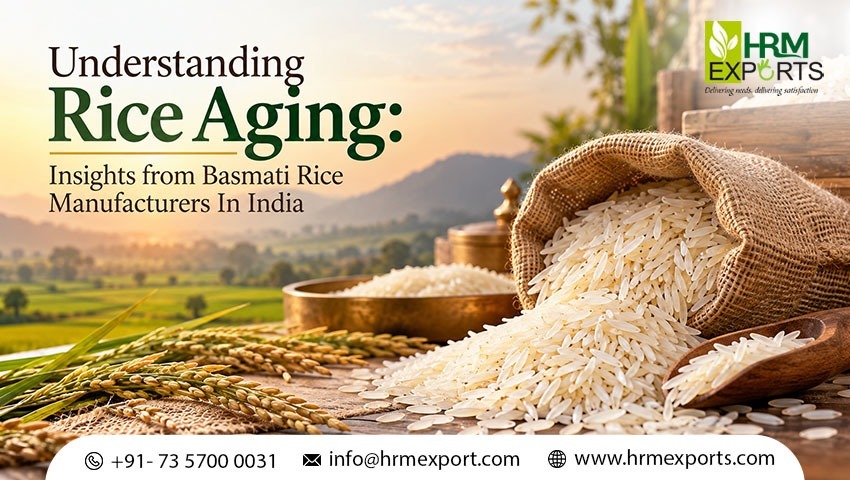
The Art of Ageing:
True Basmati lovers know that "aged is gold". The rice is aged for 12
to 24 months by the manufacturers. This process lowers the moisture content and
makes the grains fluffier, non-sticky and longer after cooking.
Premium Manufacturers for Worldwide Export
As one of the top rice manufacturers in India, the demand
for Indian rice is higher than ever in the world, and it requires a
sophisticated logistics network and an understanding of international food
safety standards.
Navigating
International Standards
In exporting to other countries such as Germany, Canada or
Australia, it is essential to adhere to health and safety certifications. The
top manufacturers spend a lot of money in microbiological labs and quality
control centers. They guarantee that their facilities are ISO and HACCP
certified so that the global buyers of rice can be assured that the rice they
receive is of the highest hygienic standard.
Personalized
Packaging and On-Time Delivery
The world is a diverse market and packaging requirements are
diverse as well. Premium exporters have different packaging choices, ranging
from bulk jute bags to consumer-friendly pouches.
Conclusion
Choosing the right source of rice is a choice that can
affect the quality of meals in millions of households around the world.
Distributors work in collaboration with Basmati Rice Manufacturers In India like HRM Exports who
believe in being excellent, smart and socially responsible to bring the best of
India's harvest to the world. Their expertise is feeding the world quality and
integrity in the production of healthy, aromatic, premium grains, as demand for
those grains is increasing.
23 Sep, 2026
Indian Basmati Rice Supplie ...
Latest Posts